
How Often Should You Clean Your Car Engine: Cleaning Frequency, Safety & Component Care Tips
Introduction
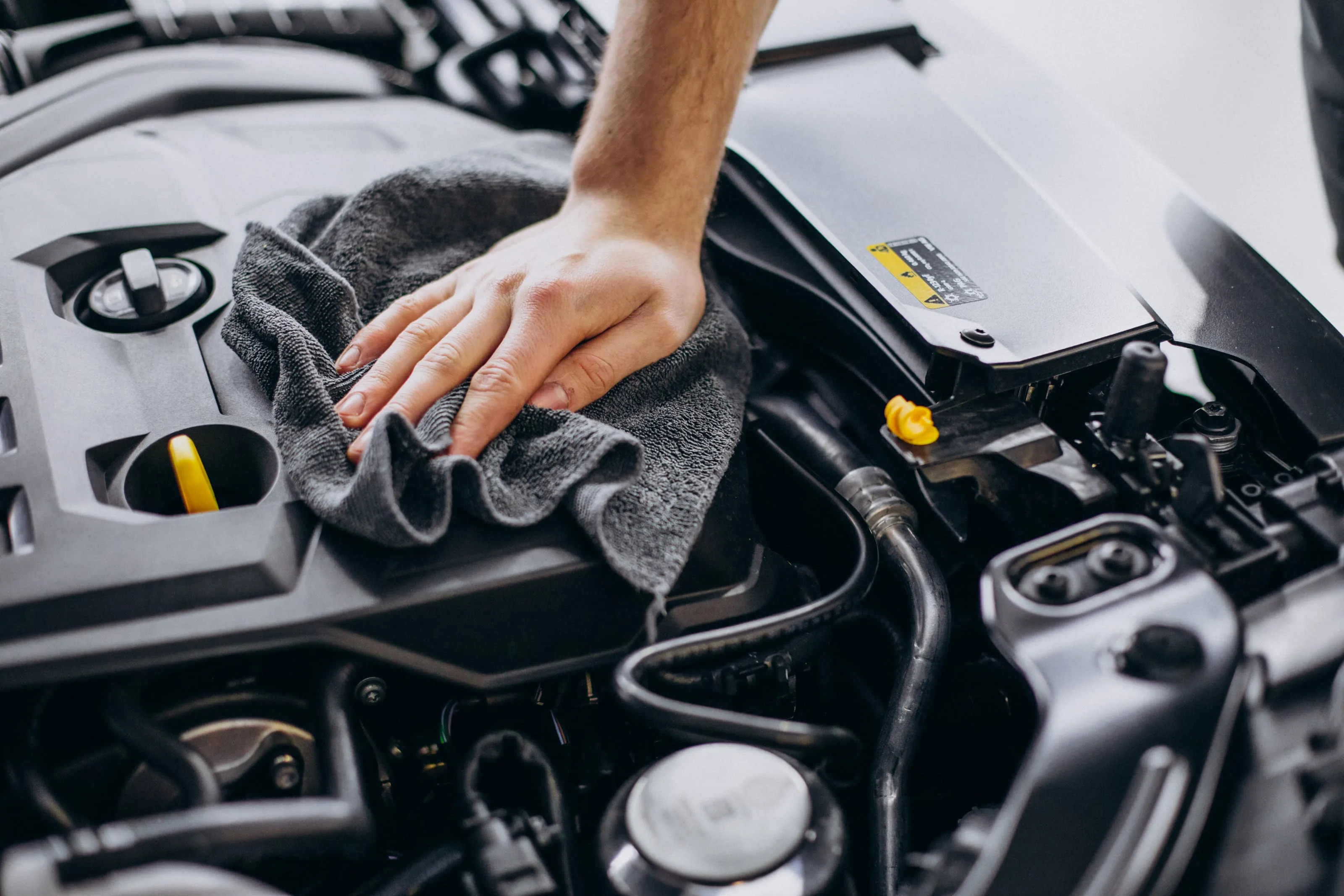
The engine bay of your car is its lifeline! Keeping the engine bay clean can not only improve the appearance of your vehicle but also help you identify problems such as leaks, avoid future overheating, and extend the life of your vehicle as well. Many people are concerned about the safety of having their engine cleaned. However, if done correctly, washing a car engine is safe and genuinely valuable.
Summary
Most car engines should be cleaned every 1 to 2 years, but the use of road salt, dirt, and moisture from monsoons can result in more frequent cleaning being required. For safety purposes, always let the engine cool before cleaning and take extra precautions to protect sensitive electronic devices. Depending on your comfort level, you may choose to perform your own engine cleaning or have a professional complete this service for you.
Key Takeaways
- An engine cleaning should occur once or twice yearly under typical conditions.
- If in a dusty or coastal location, the engine may need to be cleaned every 2 to 3 months.
- Typically, your throttle body needs to be cleaned every 30,000 to 50,000 miles.
- Make sure to wait 30 to 45 minutes after shutting off the engine before doing any cleaning.
- Before you rinse, be sure to protect your battery, alternator, and sensors.
How Often Should You Clean Your Car's Engine?
For most drivers, once or twice a year is the sweet spot. But your environment changes everything.
Your Environment, Your Schedule
- City or urban driving requires an annual cleanout and periodic dust & exhaust washes;
- Arid/Dry Regions require cleaning with three-month intervals, as they collect dust much quicker and can block working components.
- Coastal/Monsoon Areas like Goa require much cleaner surfaces every two to three months because of their exposure to salt air and moisture.
Understanding how often you should clean your engine based on where you live saves you from expensive surprises.
Also Read: Looking after your engine is just one part of vehicle maintenance. Learn how regular car detailing protects your car inside and out.
Component-Specific Cleaning: Throttle Body & Turbo
How Often Should You Clean Your Throttle Body?
The typical recommendation is to replace them every 30,000–50,000 miles. If you notice that your vehicle has a rough idle, sluggish acceleration, or poor fuel economy, then don't ignore them.
How Often Should You Clean Your Turbo?
Keeping your vehicle clean externally is important to reduce heat buildup; however, it will not necessarily help you if your vehicle has carbon buildup on the turbine blades. Typically, you should clean turbine blades every 40,000–60,000 miles as part of basic turbo maintenance. No exceptions! They must be done as part of the regular maintenance of turbo vehicles.
Safety Protocol Before a Car Engine Wash
The Golden Rule: Never clean a hot engine. Let it cool for at least 30–45 minutes.
Before you begin:
- Cover the alternator, the fuse box, the sensors, and the air intake using plastic material.
- When washing parts, use low pressure only (as using high pressure could damage seals and connectors) for washing.
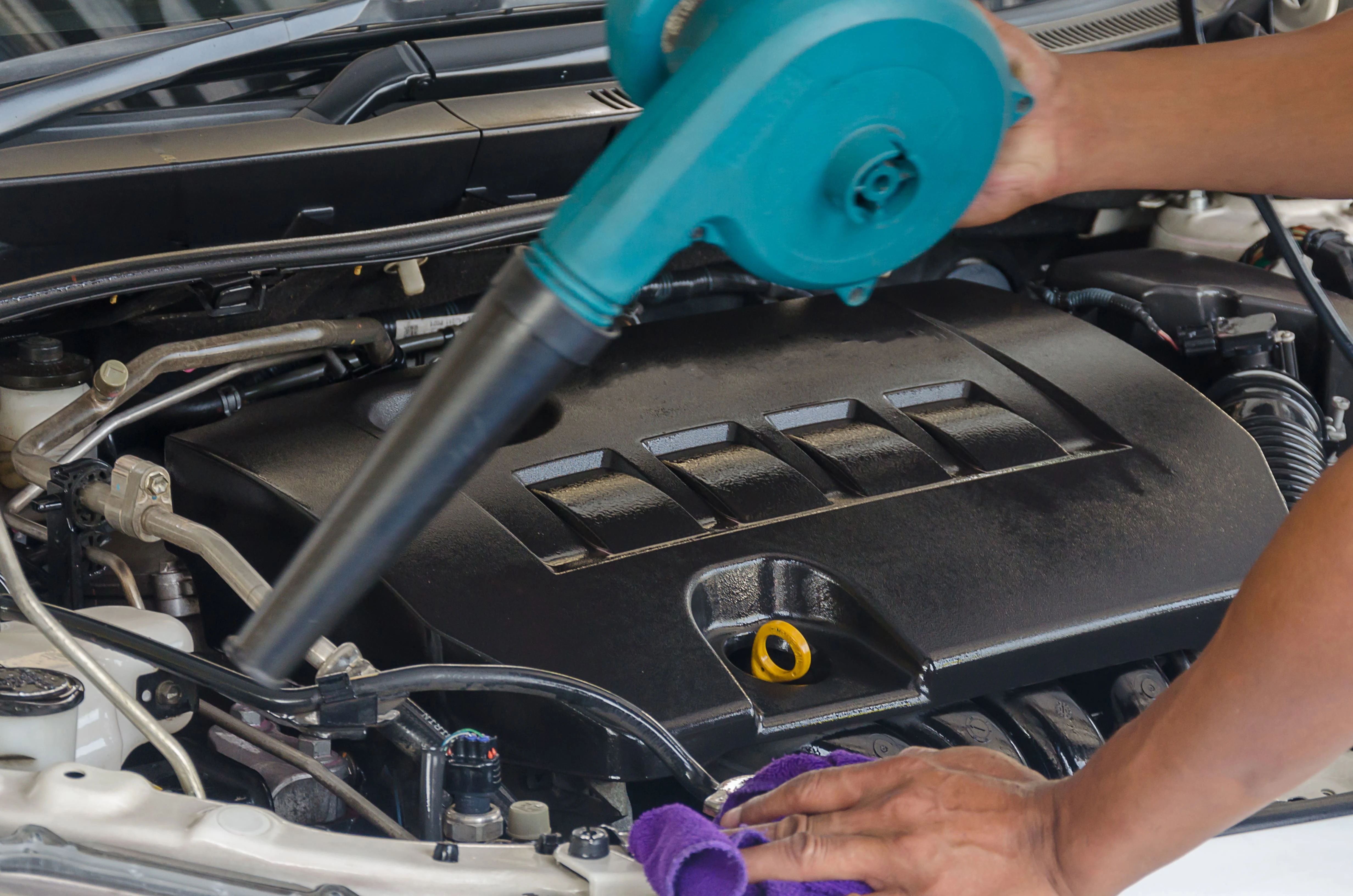
- Dry using compressed air or using a microfiber cloth, then run the engine briefly
Done right, is engine cleaning safe? Absolutely - preparation is everything.
Professional Engine Cleaning vs. DIY
When to Go Professional
If you are nervous about working on your vehicle because of tight spaces, stubborn grease, or sensitive components, then it's time to get professional help! A car engine wash service like WOW Car Wash uses professional-grade steam cleaning equipment to professionally and thoroughly wash your vehicle's engine without the risk of water damaging your vehicle or taking any chances.
The DIY Super Clean (5 Steps)
- Step 1: Debris Removal - Remove the debris (such as leaves) along with any loose dirt by hand.
- Step 2: Degreasing - Apply engine degreaser; soak for 5-10 minutes.
- Step 3: Agitation - Use a detailing brush to agitate the crevices in the engine.
- Step 4: Rinsing - Use a low-pressure rinse to rinse.
- Step 5: Drying - Air-dry the engine after rinsing, and then briefly run the engine.
Also Read: Want to protect your car's exterior after engine cleaning? Discover the benefits, lifespan, and protection offered by ceramic coating for cars.
Conclusion
For the long-term health of your vehicle, it is essential to know how often you should clean your car's engine and how to do so safely. Regardless of whether you take a cautious do-it-yourself route or go with a professional engine cleaning service, consistency is what is most important.
If you require professional assistance in the cleaning of your car's engine, WOW Car Wash provides top-quality services right at your doorstep. You will not have to deal with long waits or travel time - simply a cleaner, healthier car at your home or office.
Also Read: Don't stop at the engine bay- discover how professional interior cleaning keeps your car's cabin fresh, hygienic, and well-maintained.
FAQs
Is washing a car engine at home safe?
Yes, provided that care is exercised when doing so. Be mindful not to apply high-pressure water to sensitive electrical components, electrical sensors, battery terminals, and air intake systems.
Is vehicle performance improved through engine cleaning?
A clean engine bay allows you to notice oil leaks, worn belts, and cracked hoses sooner and maintain better vehicle operation, resulting in better engine performance overall.
What are the signs that an engine needs to be cleaned?
Dirty engines give off many warning signs, such as oil leaking from under the hood, the exhaust system smelling, large amounts of dust settling onto the engine, and/or overheating.
Is it necessary to wash your car engine more frequently during monsoon and/or winter months?
Yes, because of occurrences like moisture, mud, and salt accumulation on the surface of engines during these seasons, as well as when driving along coastal routes, more frequent washing is advisable.
What components/parts should be covered when cleaning the car engine
While cleaning the car engine, be sure to cover or carefully clean the following components to avoid water damage: battery, alternator, fuse box, exposed wires, sensors, and the area around the air filter.